Celebrating Local Partnerships: Collaboration Drives Success
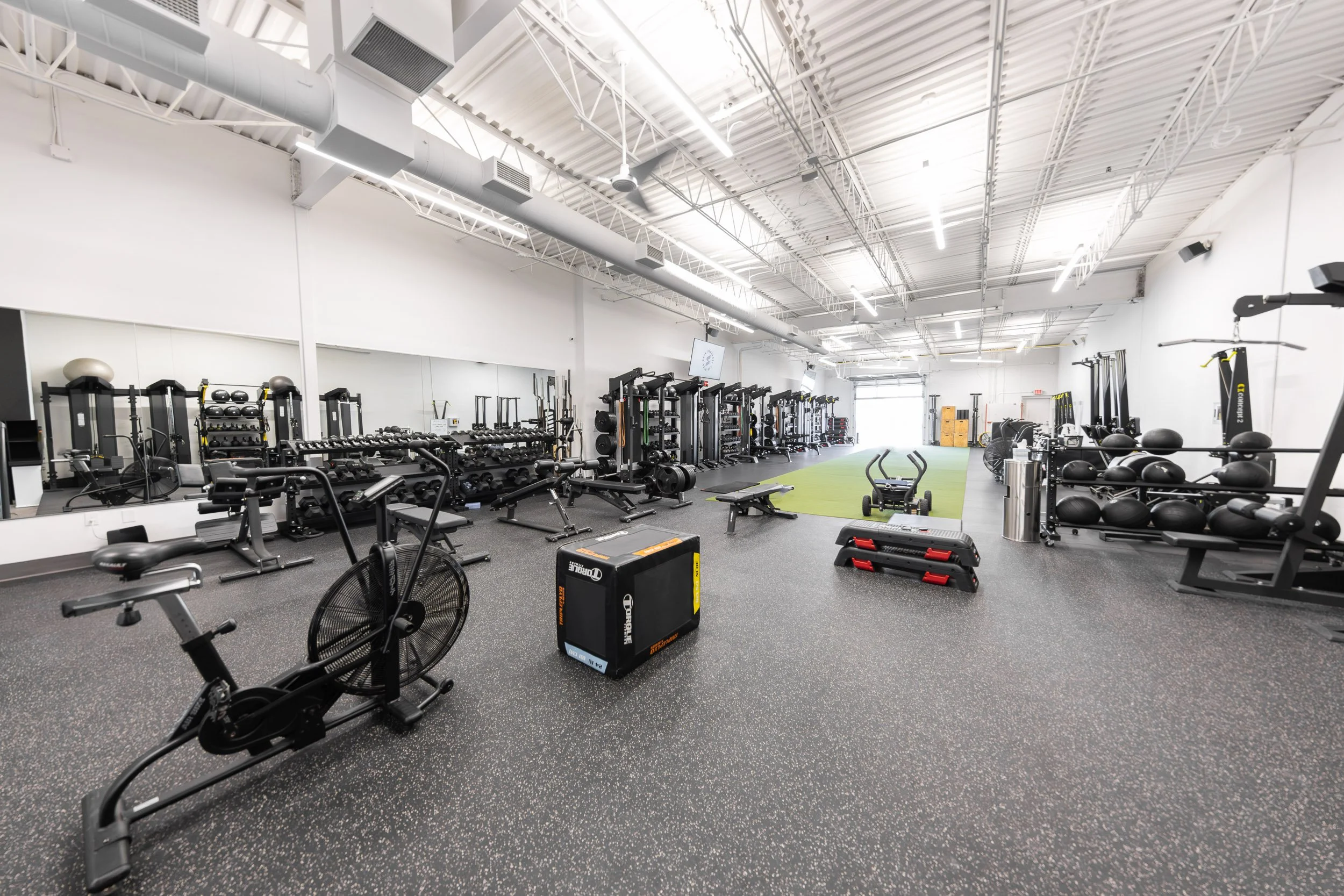
SotaFitness | Minnesota
Building a successful ice arena or recreation facility isn't just about putting up four walls and flooding the ice. It's about creating a destination people want to come back to, and increasingly, that may mean thinking beyond your own four walls to find the right local partners.
You may be asking what local partnerships actually look like in the recreation space or why more facilities should pursue them. Keep reading to learn how we create thoughtful designs that make them work for you.
It's More Than a Sponsorship
A local partnership isn't a logo on the boards or a banner in the lobby. It's a relationship where both parties bring real value to each other's customers. That might mean a physical therapy clinic within your facility, providing injured athletes with a convenient place to recover.
It might mean a restaurant next door connected by a corridor that turns a hockey game into a full evening out.
It could even mean partnering with other sports associations to share construction costs on a multi-sport facility that neither group could afford to build alone.
"People are always looking for unique experiences," Jessica says. "Leverage that desire and create a next-level experience."
The Business Case Is Real
One of the biggest hurdles in recreation facility development is cost. A building large enough to support a partner may seem like more than you need, but when you dig into the numbers, a well-matched partner can actually help make the whole project viable.
The math works the other way, too. Operators who have tried to run their own pro shop or café often struggle because walk-in traffic alone can't sustain those ventures. A true partner brings their own customer base, marketing and brand identity, pulling in people who might never have sought out your facility on their own.
Think about a physical therapy clinic: their patients may have no reason to visit a rink, but once they're in the building, they're exposed to fitness memberships, skating lessons and more. The rink's athletes, meanwhile, have a trusted place to recover right down the hall. That's a mutually beneficial relationship that a sponsorship deal simply can't replicate.
Design Makes or Breaks It
This is where HTG's perspective becomes especially relevant. The physical design of a facility has everything to do with whether a partnership thrives or just coexists.
The goal is to make each partner feel connected while still giving them the autonomy to operate independently. That means thinking carefully about how the entry and lobby function so that one business can be open while the other is closed, while both spaces remain secure. It means selecting a finish palette that lets each partner express their own brand while still feeling like part of a unified whole.
A retrofit is possible depending on available space, but new construction offers the best opportunity to plan intentionally. When you're designing from the ground up, you can have early conversations with potential partners and allocate space to fit their actual needs rather than working around what's left over.
One missed opportunity we see constantly: parents sitting in rinks scrolling their phones during practice. That captive audience is an untapped market for the right kind of partner, whether that's a coffee shop, a retail kiosk or something else tailored to how families actually spend their time.
Where to Start
If you're exploring local partnerships for the first time, start with a market study. Understanding the habits, income levels, competition, and interests in your area will help you identify what kinds of partners are actually a good fit.
From there, have conversations. Share your vision. You may find that a business you admire has been looking for exactly what your facility can offer.
At HTG Architects, we think about this from the very first design conversation. If you're planning a recreation facility and want to build one that's designed for collaboration from day one, we'd love to talk.