Designing for Year-Round Use: Beyond the Ice Season
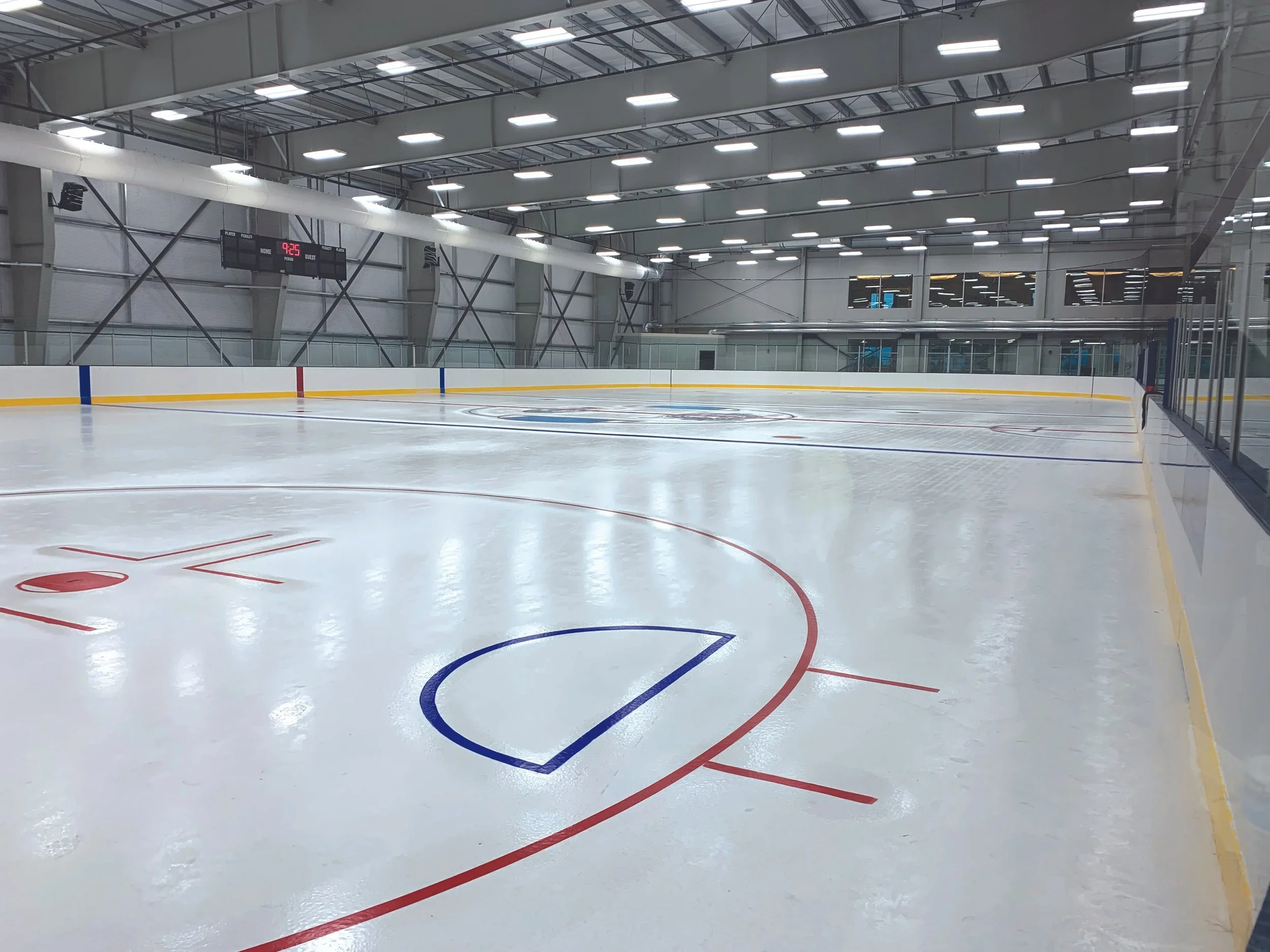
When most people picture an ice arena, they picture hockey. Maybe figure skating. A cold building that sits quietly in July. But communities investing in new recreation facilities today are asking a different question: what happens when the ice is gone?
It's a smart question, and the answer starts long before construction ever begins.
The Shift Toward Year-Round Thinking
Communities are increasingly looking at recreation facilities not as single-sport venues but as destinations. And that shift is changing the way we approach design from day one.
Some communities can support year-round hockey and figure skating programs. Others have a strong ice season but need something different when summer rolls around. Understanding which situation applies to your community is one of the most important conversations you can have before a single line gets drawn.
That's why our process always starts with programming. Who will use this building? When? For what? Those answers shape everything from the floor system to the lobby layout to where you put the loading dock.
Design Decisions That Make Flexibility Possible
Flexibility isn't something you can easily bolt on after the fact. A facility that was built purely for ice and later tries to host concerts, expos, or indoor soccer will run into real limitations and sometimes real problems.
One of the most common issues we see in older facilities is an under-insulated refrigerated floor slab. If you run that kind of floor year-round without the right insulation, frost pushes deeper and deeper below grade until the floor heaves and cracks. Fixing it means replacing the entire slab, which is an expensive lesson.
Getting it right from the start means thinking through several key decisions early:
The floor system matters enormously
A refrigerated gravel floor is economical for ice sports but doesn't support much else once the ice is drained. A proper concrete slab with the right insulation opens up a much wider range of uses and protects your long-term investment.
Dasher board selection depends on your plan
Permanent boards are one thing, but if you're tearing them down seasonally, you need a system built for that kind of wear and tear, something that staff can actually move by hand. That affects whether you go steel or aluminum, glass or plexiglass.
Loading and access points are often overlooked
A concert, a tradeshow and a hockey game have completely different logistical needs. Overhead doors, loading docks and staging access all need to be part of the conversation early.
Bleachers, lighting and acoustics all shift depending on the activity. Concert lighting and hockey lighting are entirely different systems. Getting these right for multiple uses takes some upfront planning but pays off in operational simplicity down the road.
More Than Just a Rink
When you design a facility for multiple uses, something interesting happens. The variety of activities draws a broader audience, and that broader audience ultimately benefits every individual program in the building.
Amenities like restaurants, coffee shops or breweries can operate as standalone destinations with their own draw, bringing people into the building who might not have come for the hockey game but end up staying.
Fitness centers and dryland training spaces serve athletes year-round and generate consistent traffic.
Party rooms and community gathering spaces, which are often an afterthought, tend to become some of the most heavily used parts of a building when done well.
Natural light also plays a bigger role than people expect. Windows that showcase activity areas from outside don't just improve the experience for people inside. They turn the building itself into a signal to the community that something is always happening here.
Start With the Right Questions
Before your community decides what to build, it helps to ask a few honest questions. Are there athletic programs in your area with waitlists? Which activities aren't available locally or regionally? What does the actual market data say about what people want and in what quantity?
These aren't questions with obvious answers, and that's okay. The goal isn't to build a wishlist. It's to build something that genuinely fits your community, serves your residents and stays financially healthy for years to come.
A well-designed ice arena is already a massive, column-free, climate-controlled indoor venue. The question is just how much of that potential you're ready to unlock.
HTG Architects, Your Partner in Rink Design
If your community is exploring what a new ice arena or multi-use recreation facility could look like, we’d be happy to chat. From refrigeration and ice systems to operational flow, spectator amenities and long-term flexibility, HTG's recreation architects bring technical expertise and community-focused process to help you get it right from the start.