From Feasibility to First Face-Off: What It Takes to Build a Rink
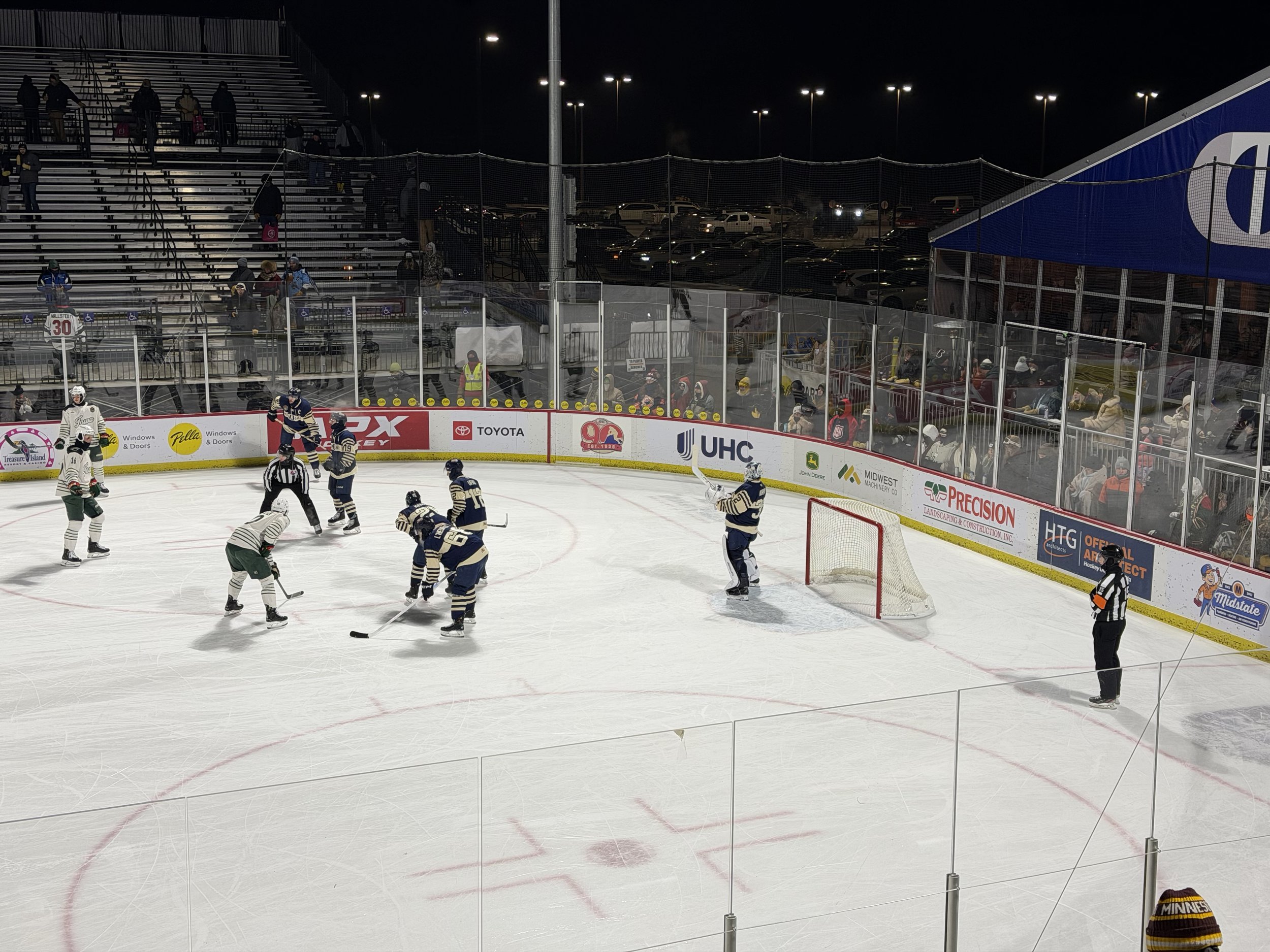
Every rink starts the same way: a community that needs ice and a handful of people willing to push for it. What happens between that first conversation and the first face-off is where projects are won or lost.
If your community has never built an ice rink before, here's the most important thing to understand: the process is long. From the first introductory meeting to the day the project breaks ground can take years.
That's where an experienced team adds the most value: guiding market studies, early design and budgeting and all the city and state approvals along the way.
The Realistic Timeline
At HTG, we are ready to help at whatever stage you’re at.
Some groups arrive with land, a team and funding already in place, poised to move quickly. Even in that best-case scenario, expect a couple of months of red tape, 3 to 4 months of design and engineering and, depending on scale, often 10 to 14 months of construction.
For groups that still need land acquisition and time to fundraise, the timeline depends on your local area and your network. We can't shortcut a capital campaign, but we can provide the tools that push those pieces forward.
What Separates Projects That Get Built From Projects That Stall
The most successful rink projects kick off with a thorough feasibility study that doesn't cut corners. For groups that know they need ice, our inVision process is exactly that kind of study. It gives organizations the tools to take their project to investors, municipalities and partners: a market study, early design, cost estimating and an operations pro forma. Together, those pieces show the big picture and back it with a professional seal that says this is real and it's set up for success. This adds momentum and stability at the critical early stages.
The Design Phase: Lock In the Layout First
A multipurpose athletic facility opens the door to diverse revenue streams that a single-sport facility simply cannot match. Higher usage rates, event space rentals, membership fees and concessions all contribute to a stronger financial return. By accommodating a wider range of activities and events, your facility can attract more residents and outside users year-round.
Why We Start With a Plan, Not a List
Most people are visual learners. Many groups come to us with a bullet list: lobby, concessions, four locker rooms, one sheet of ice, 400 seats. The problem with a list is that you and I can read the same words and picture two completely different buildings.
That's the thinking behind our Rink in a Box approach. Instead of starting from a blank page, we start with a proven plan, see how it works for your community and fine-tune from there through conversations around real layouts that we can all look at objectively, accelerating the process. We skip the miscommunication step entirely and go straight to the visuals.