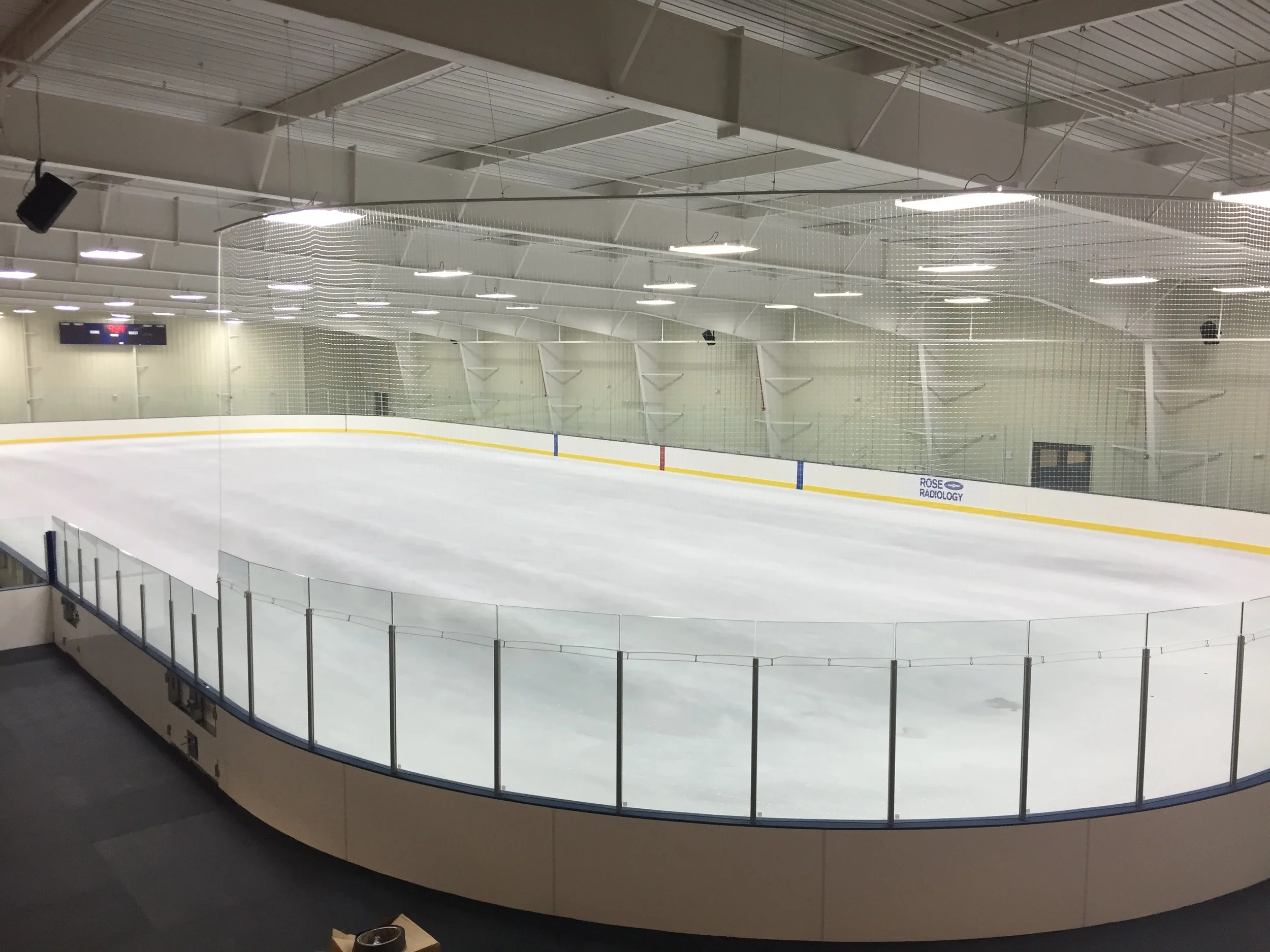
A single sheet of ice can only stretch so far. When teams are splitting practice slots, waitlists keep growing, and the only open ice is early morning or late night, the second-sheet conversation has usually already started.
The people who run programming and operations usually know first. Here is what those facility directors, city leaders and associations should know before planning a multi-sheet ice arena expansion.
Signs Your Ice Arena Has Outgrown One Sheet
Supply and demand indicators are almost always what sparks the second sheet conversation. Ice times book out quickly, waitlists run long, and groups get squeezed.
As expansion conversations begin, look beyond your own building. Do neighboring communities have ice, and are they seeing the same overflow? Could your facility absorb regional demand while also hosting larger events and tournaments?
Feasibility and the Business Case
An expansion feasibility study is more straightforward than a new-build study because the data already exists. Your demand, programming and waitlist numbers can be extended across a defined service area to show whether you need one or two more sheets and whether they should run year-round or seasonally.
It also pays to agree early on what "cost" means. Construction cost covers the building and site improvements. It does not include furniture, fixtures and equipment like dasher boards and an ice resurfacer or soft costs such as permitting, design and engineering. Everyone should understand how total project cost compares to construction cost and the overall budget.
Designing Around the Building You Already Have
With enough room on site and adequate soil conditions, most facilities can be expanded.
Whenever possible, prioritize designing a second sheet as a direct addition rather than a standalone facility. This keeps staffing efficient and avoids duplicating chillers and other infrastructure.
The best layout is back-to-back. When the locker rooms, Zamboni room and refrigeration plant already run lengthwise along one side of the rink, the second sheet builds directly off them. Other layouts can work, but they come with trade-offs: two Zamboni rooms, two snow melt pits and staff spread across opposite ends of the building.
Programming, Players and Spectators
More sheets mean more user groups under one roof. Hockey programs generally share ice well, while figure skating and curling have different ice requirements. At higher skill levels each group wants its own sheet, and market demand decides whether that is supportable.
Back-to-back locker rooms give a two-sheet facility flexibility for tournament play. A third sheet typically gets its own bank of locker rooms and often suits figure skating, learn-to-skate, and public skate. For spectators, the best seats run lengthwise along the rink, high enough to see over the dasher boards but not so high that fans peer straight down.
Staffing follows the layout. Going multi-sheet can be as simple as scaling up existing operations or as involved as restructuring roles, which is why a recreation architect should raise operations early in the design conversation.
Phasing and Keeping the Ice Open
Most clients need the existing sheet fully operational throughout construction. Choosing the right time to build, planning around peak season and bringing construction teams on board early are essential. That keeps operators, contractors and engineers aligned from the start.
Phasing also helps when funding arrives in stages. Often a 10-year vision is known, but upfront capital covers only part of it. Designing the full project first lets phase one move into the black quickly and phase two connect seamlessly.
The First Question to Ask
Expansion projects can span several years before skaters enjoy that next sheet of ice, and construction costs keep climbing in the meantime.
If you are running a single sheet near capacity, review your participation trends and waitlists. Then ask what those numbers will look like next year, the year after and five years from now.
If the answer points toward more ice, HTG's recreation architecture team can help you test feasibility and make confident decisions about the future of your ice arena. Contact us to start the conversation.